
Pathway & Foundation Programmes
Pathway programmes are routes into a degree for students whose current qualifications do not meet direct entry. SIAS advises on foundation years, diplomas, pre-master's courses and English language programmes across twelve destinations, and checks that each one actually progresses to the degree you want.
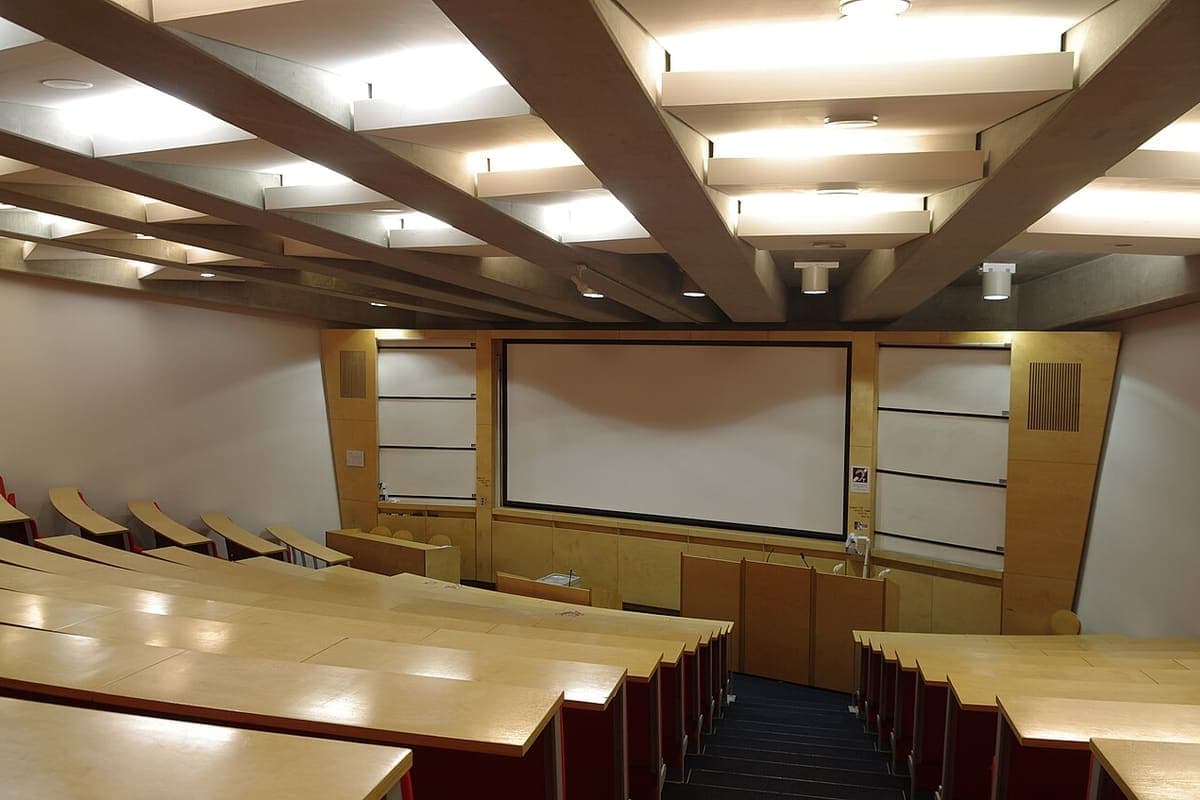
Photo: mattbuck via Wikimedia Commons, CC BY-SA 3.0
What you get
- An honest assessment of whether a pathway is needed or whether you already qualify
- Foundation, diploma, pre-master's and English language options compared
- Progression confirmed in writing from the pathway to the named degree
- The full cost of the pathway plus the degree, not the pathway alone
- A route that does not add a year you did not need to spend
Who this is for
Students whose results fall short of direct entry, anyone whose English score is below the requirement, students changing field at postgraduate level, and those whose qualification is not recognised for direct entry in their chosen country.
A pathway programme is a bridge, and the only question worth asking about a bridge is whether it reaches the other side.
Students arrive at pathways for four reasons: results below the direct entry requirement, an English score below the threshold, a change of field at postgraduate level, or a qualification that a particular country does not recognise for direct entry. Each has a different answer, and one of the possible answers is that you do not need a pathway at all.
Checking that you actually need one
This is the first thing we do, because a pathway costs a year and a substantial fee. Entry requirements differ between institutions offering the same degree, and a student who does not qualify at one may qualify directly at another. If your only shortfall is an English band score, one more sitting is usually cheaper and faster than a language programme. We check direct entry across your shortlist before recommending a bridge.
It is worth being blunt about the incentive here. Pathway programmes carry commission, and an adviser paid on placement has a reason to recommend one. If you qualify for direct entry, we will tell you, and the shortlist will show it.
Foundation years
A foundation year prepares students for undergraduate entry where a school qualification does not map onto the destination country's system. This is common rather than exceptional: Sri Lankan Advanced Level results are strong qualifications that simply do not align with every country's first-year expectations, particularly where the local system includes an extra pre-university year.
A foundation year is taught at the university or at an attached college, usually includes academic English and study skills alongside subject content, and typically progresses into year one of the degree.
Diploma routes
A diploma can enter a bachelor's degree with advanced standing, sometimes at the start of year two. Where that works, the total time to a degree is no longer than the direct route and occasionally shorter. Whether credit is granted, and how much, is decided by the receiving institution and has to be confirmed rather than assumed.
Pre-master's programmes
A pre-master's serves two groups: students moving into a postgraduate field they have not studied before, and students whose bachelor's grade falls just short of the requirement. These run one or two semesters and combine subject grounding with research and academic writing skills, which is often the real gap for students who have not written a dissertation.
English language programmes
Where language is the only shortfall, a pre-sessional or general English programme addresses it directly. Length depends on your current level, from around ten weeks to a full year. Many institutions accept their own pre-sessional course in place of a test score, which can be faster than waiting for another sitting, and some do not. That is worth checking before you book anything.
Progression is the thing to check
The question that matters is whether the pathway guarantees entry to the degree you want, at what grade, and in writing. Some do. Some deliver a qualification and leave you to apply again in open competition. That distinction is easy to miss in a brochure and expensive to discover a year in, so we confirm it with the institution before you commit.
Read the progression grade carefully. A guarantee conditional on a mark you are unlikely to reach is not much of a guarantee, and a pathway with an achievable threshold at a slightly lower-ranked university is often the better bet.
Costing the whole route
We cost the pathway and the degree together. A cheap foundation year attached to an expensive degree is not cheap, and comparing pathways on their own fee is how students end up paying more overall. The visa position also changes: a pathway plus degree can mean two applications or one longer one depending on the country, and that affects both cost and timeline.
Pathway advice sits inside the Discover stage of the SIAS student journey, because it is a question about which route to take, not a separate destination.
Where this fits in your journey
This service delivers stage 1 of the student journey, Discover. Every student starts from a different record, budget and ambition. Counselling tests the plan before it costs anything, and course selection turns it into named universities you qualify for and can afford.
See the full student journeyQuestions about this service
Is a foundation year a sign that I failed?
No. Foundation years exist because school systems differ. A Sri Lankan qualification can be excellent and still not map onto a particular country's direct entry route.
Will a pathway programme definitely get me into the degree?
Only if progression is guaranteed in writing and you meet the stated grade. Some pathways guarantee progression, some do not, and the difference is the first thing we check.
How much longer will I study?
A foundation year or pre-master's usually adds one year. An English language programme adds ten weeks to a year depending on your current level.
Can I skip the pathway by retaking an English test?
Often yes, and it is usually cheaper. If your only shortfall is an English band score, another sitting can be the better answer, and we will say so.
Your future starts with the right decision
Speak with a SIAS adviser about the study options that actually fit your record and your budget. The first consultation is free and carries no obligation.